Public consultation launched ahead of collaboration with the private sector for project implementation
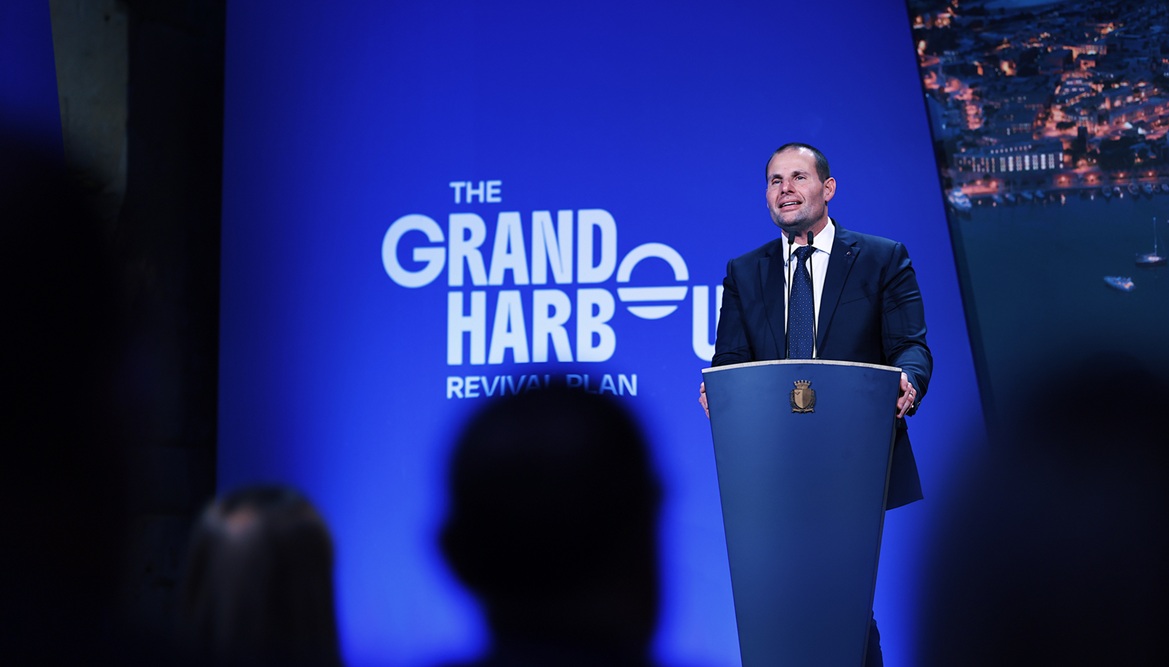
Prime Minister Robert Abela has officially presented the most ambitious regeneration plan to date for the Grand Harbour. The plan is now open for public consultation, after which collaboration with the private sector will begin to bring this vision to life.
During the launch event for the public consultation, the Prime Minister described the initiative as a bold and far-reaching project centred around what he called “the most beautiful harbour in the Mediterranean.” He noted that the project would leave a lasting mark on the country’s development journey, and reflected a continued commitment to national improvement.
The Grand Harbour Regeneration Plan is structured into four phases, with the goal of creating a high-standard urban area that pays tribute to Malta’s maritime heritage, while delivering integrated cultural, service, and recreational spaces. The first phase focuses on transforming the Marsa waterfront and the former power station site into a vibrant, mixed-use zone designed with sustainability, quality, and community in mind. The masterplan has been developed by internationally renowned design firm Chapman Taylor.
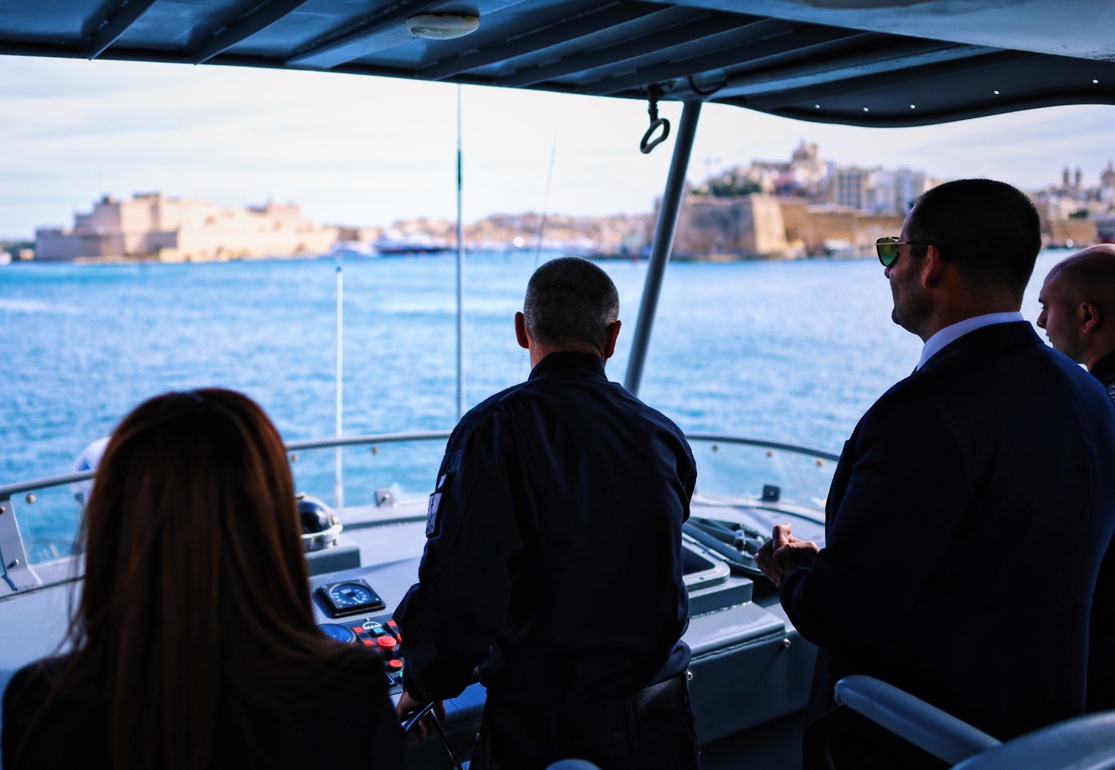
Dr Abela emphasised that this initiative is part of the Government’s wider vision to bring renewed value and quality to long-neglected areas across the country. He pointed to a number of recent projects carried out in the Grand Harbour region that go beyond aesthetic upgrades, highlighting those which prioritise environmental protection and public well-being.
The Prime Minister recalled that it was under this administration that the Marsa power station was permanently decommissioned. “Now we must do justice to this area and deliver the most outstanding government-led project of Malta’s modern history,” he said.
Dr Abela also reaffirmed the Government’s belief in the potential of this site and surrounding localities, particularly Marsa, which he described as rich with untapped opportunity. He explained that this holistic plan is expected to attract quality investment and generate widespread economic value. The project aligns closely with the national Malta 2050 Vision.
He further remarked that this regeneration project joins a series of other major government-led developments, including those at Manoel Island, White Rocks, Fort St Salvatore, Fort Tigné, and Fort Campbell. “These six projects are not only ambitious in scope, but essential to improving the quality of life for Maltese families. And while the ambition is great, our determination to realise it is even greater,” the Prime Minister said.
Dr Abela also reassured the public that the unique identity of the Grand Harbour will not be compromised. On the contrary, he stated that its historical legacy will be further enhanced, and that every locality surrounding the harbour will benefit from this transformation.
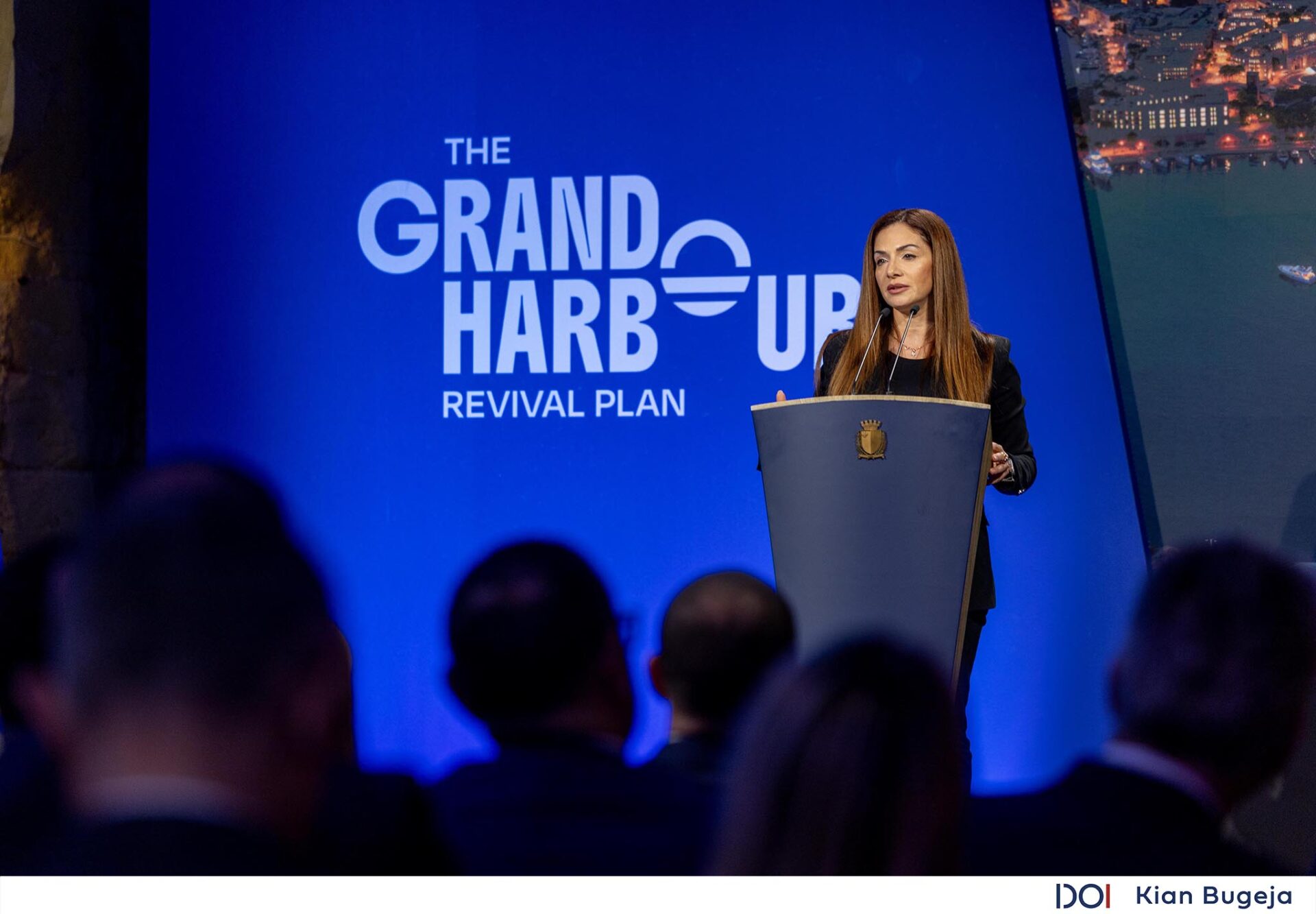
Environment, Energy and Public Cleanliness Minister Miriam Dalli also addressed the event, explaining that this vision for the Grand Harbour embraces the area’s rich past while steering it toward a sustainable future with investment in emerging sectors. She highlighted the importance of open dialogue, saying, “We recognise that change often brings questions, but we also see immense potential here. If managed correctly, it can lead to meaningful national progress.”
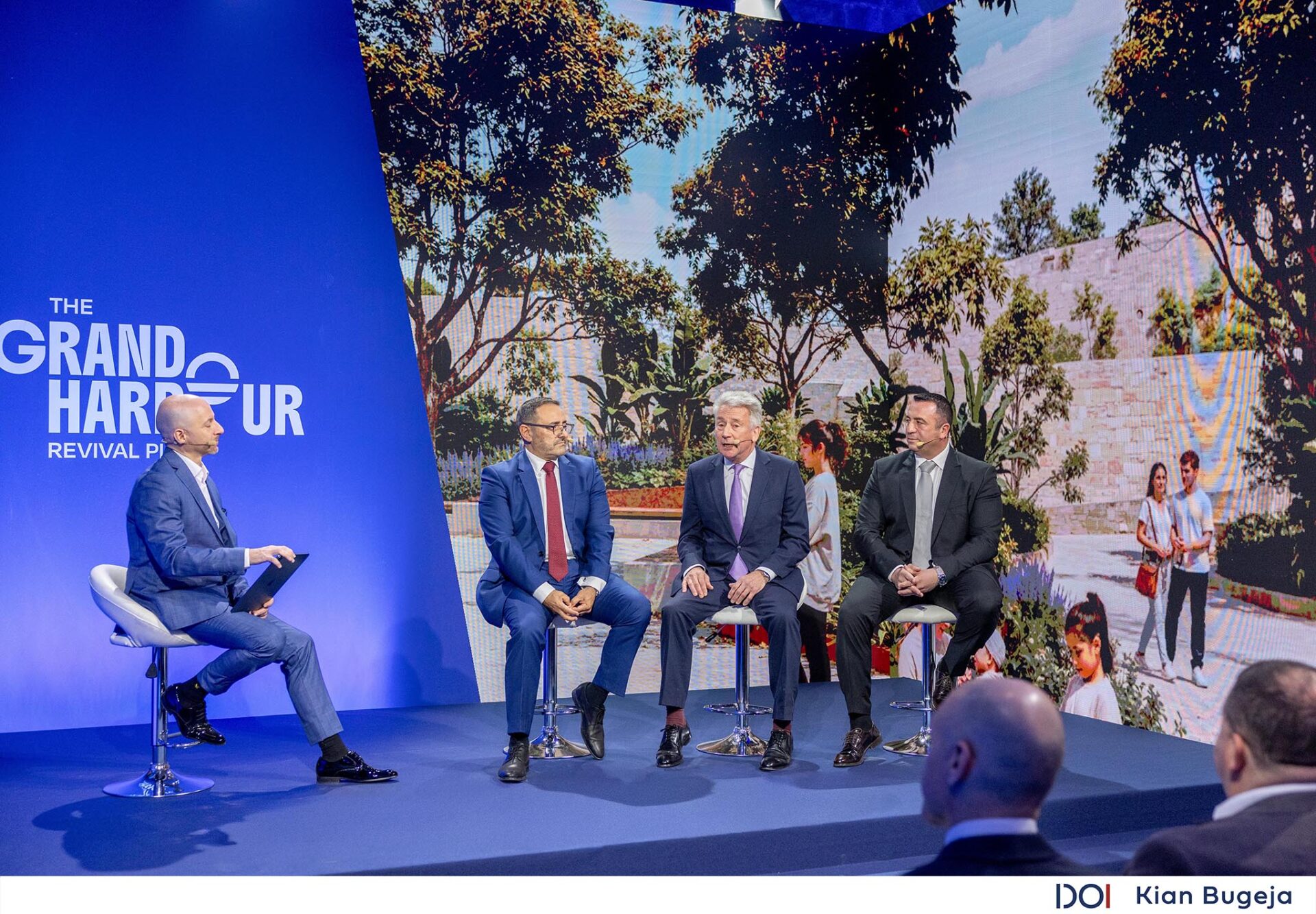
Chairman of the Grand Harbour Regeneration Corporation (GHRC), Ing. Ryan Fava, outlined the zones that will be addressed in this plan, including the former Marsa power station, the Menqa area, the Deep Water Quay, and the Floriana bastions. “This is a crucial project because the Grand Harbour is still very much a living port,” he said. “This consultation process is about listening, and we are also continuing to engage with stakeholders to ensure this national project moves forward effectively.”
GHRC CEO Gino Cauchi highlighted the Corporation’s recent track record, having delivered projects around Valletta, Floriana, and the Three Cities, including the Kalkara Square regeneration and the entrance to Senglea. “Now is the time to turn our attention to Marsa, a locality that has long borne the burden of heavy industrial activity. This plan is our opportunity to breathe new life into the area, for the benefit of the entire country,” Cauchi said.
Adrian Griffiths, a director at Chapman Taylor, described the Grand Harbour as a “world-class” site with a visible history of defence embedded in its architecture. “As architects, we are deeply committed to heritage, culture, and identity. This vision seeks to integrate those values naturally into the Grand Harbour,” Griffiths explained. He also noted that the design places strong emphasis on cultural spaces and public gathering points, improving connectivity to Valletta and creating more opportunities for people to come together.
Chapman Taylor operates from 13 design studios around the world.
Full details of the project are available at https://ghrc.gov.mt/revival. The public consultation period will remain open for six weeks.