About this project
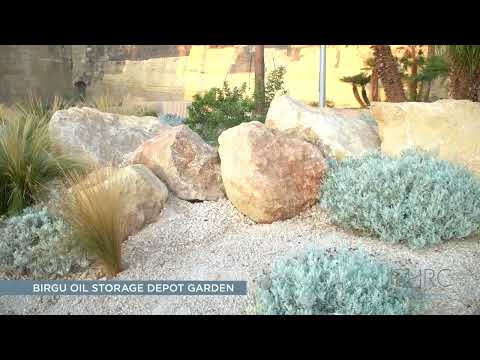
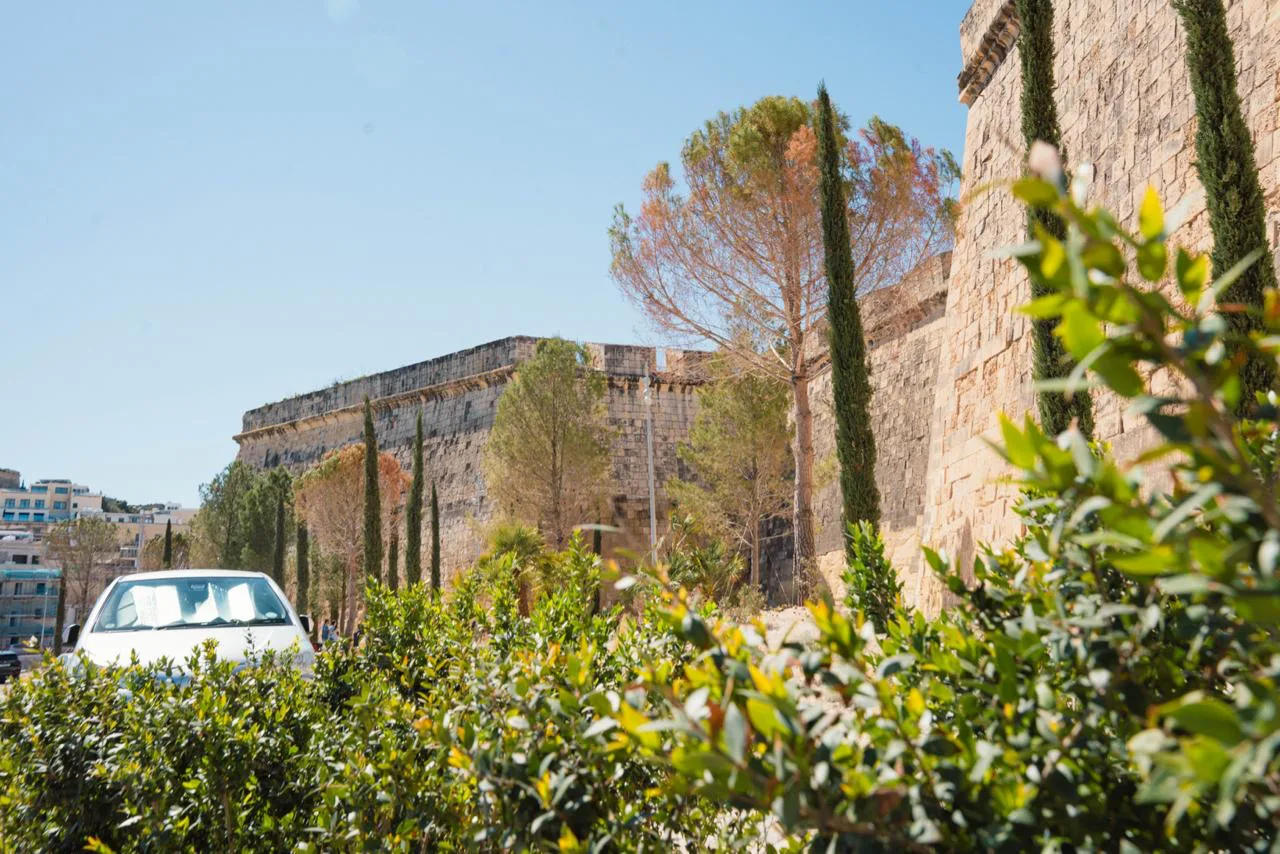
A former oil storage depot in Birgu has been transformed into a new public garden designed to serve the local community and enhance the quality of life of residents and visitors in the area.
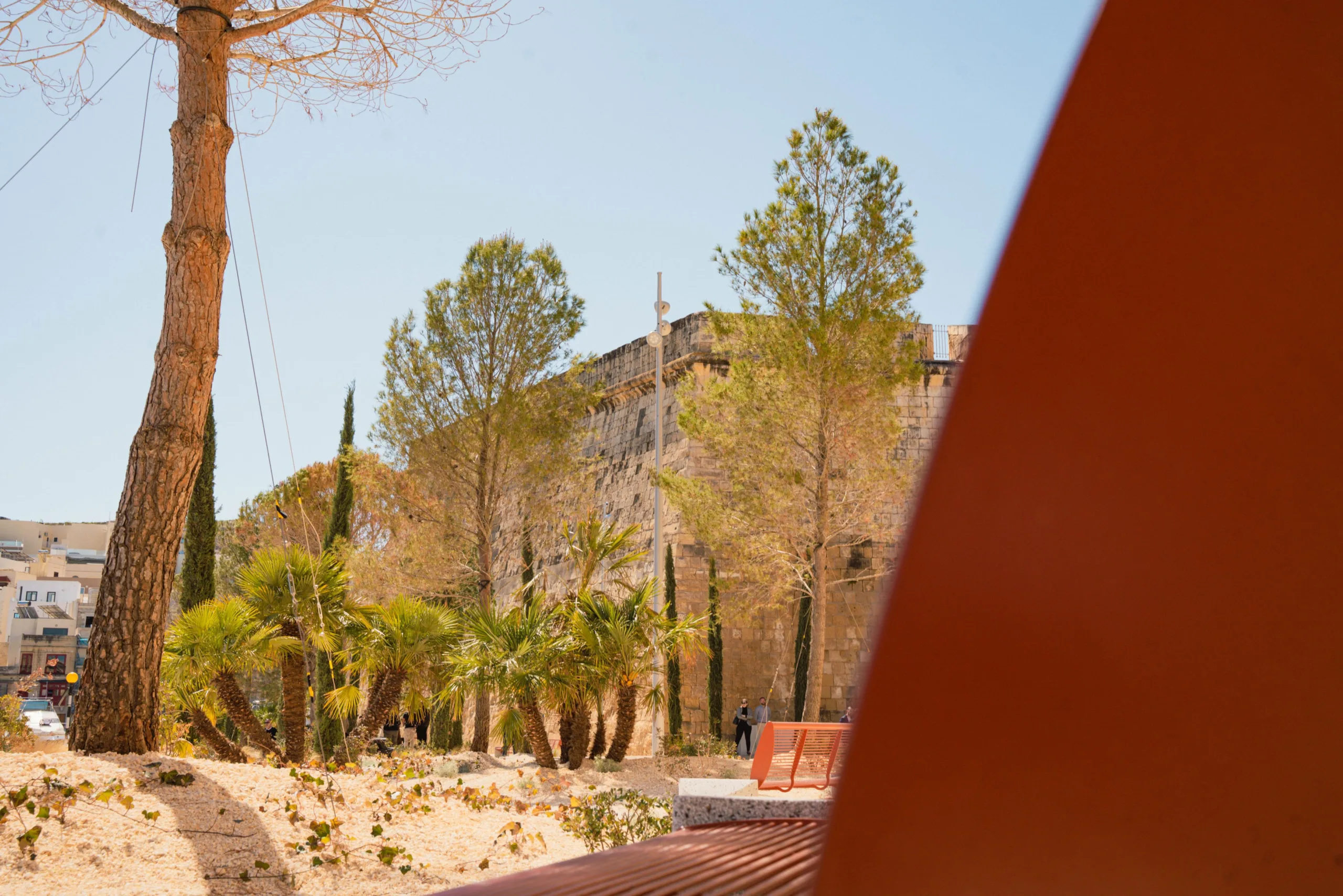
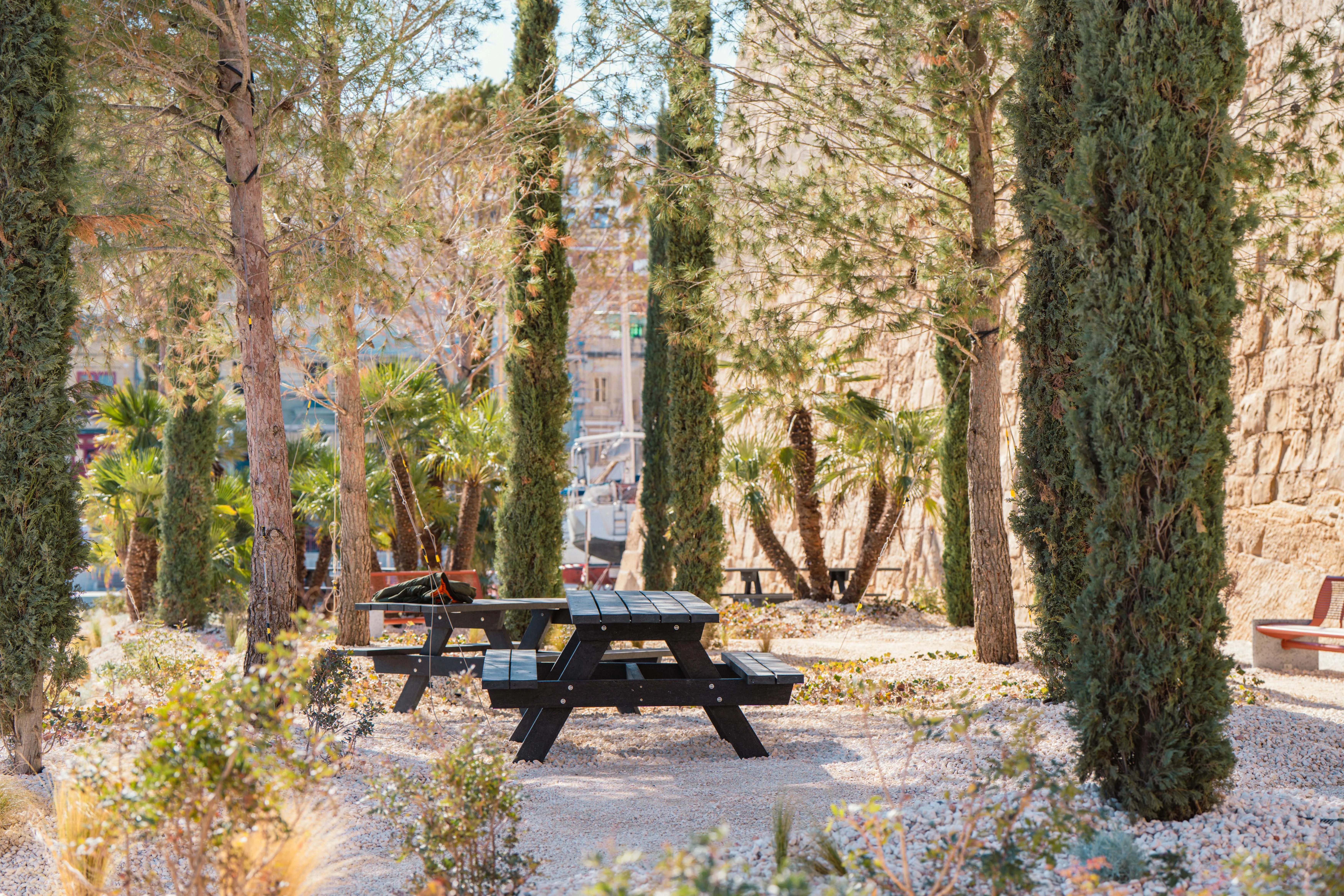
The project delivers a modern and sustainable open space of approximately 1,500 square metres, featuring walkways set among Mediterranean planting, picnic tables, benches, and shaded areas beneath pine trees. At the heart of the garden is a 400-square-metre oval arena, created to host community events, educational activities, and public gatherings.
History of site
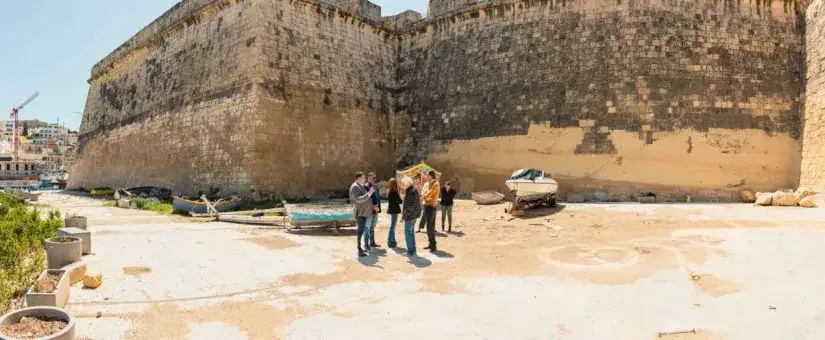
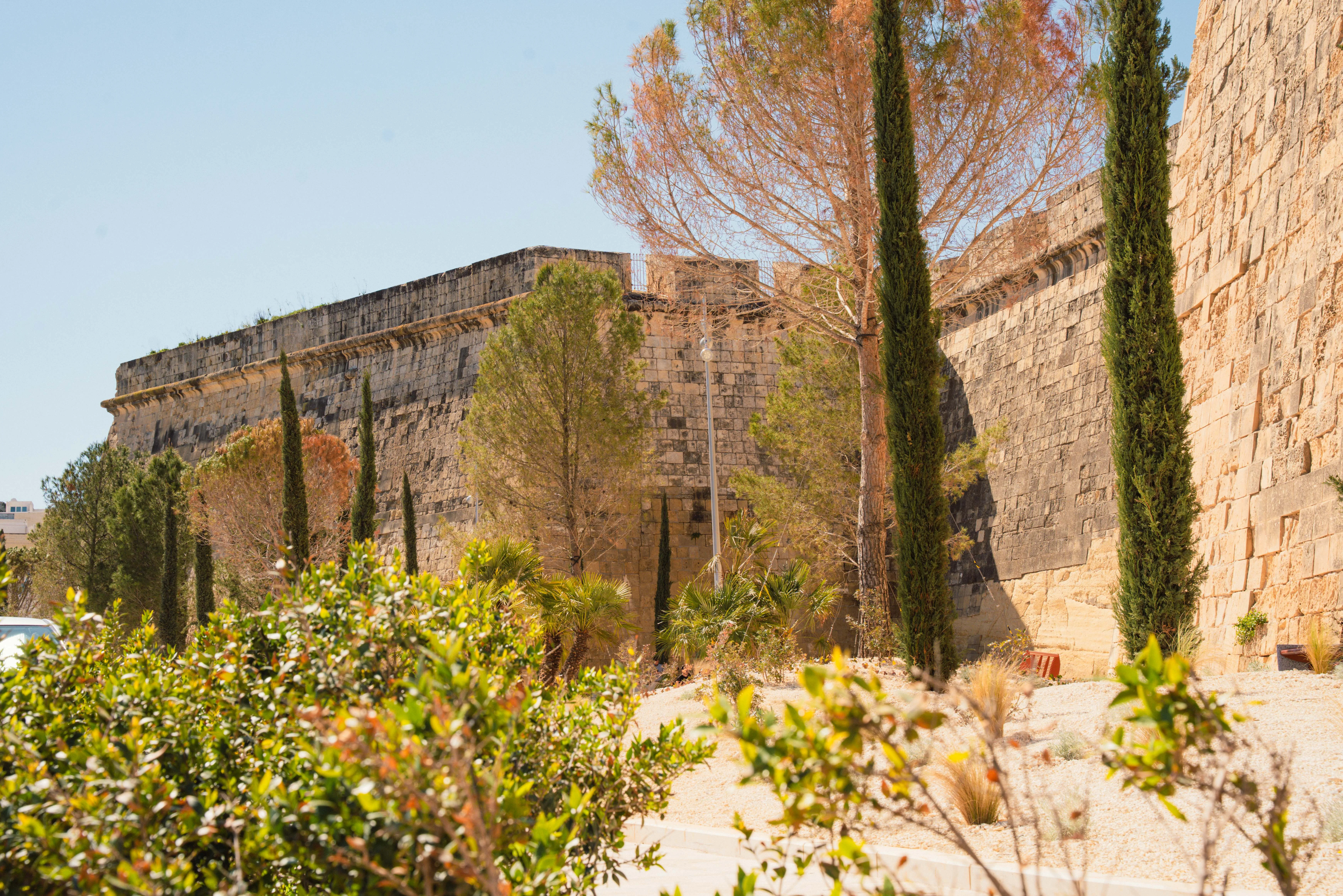
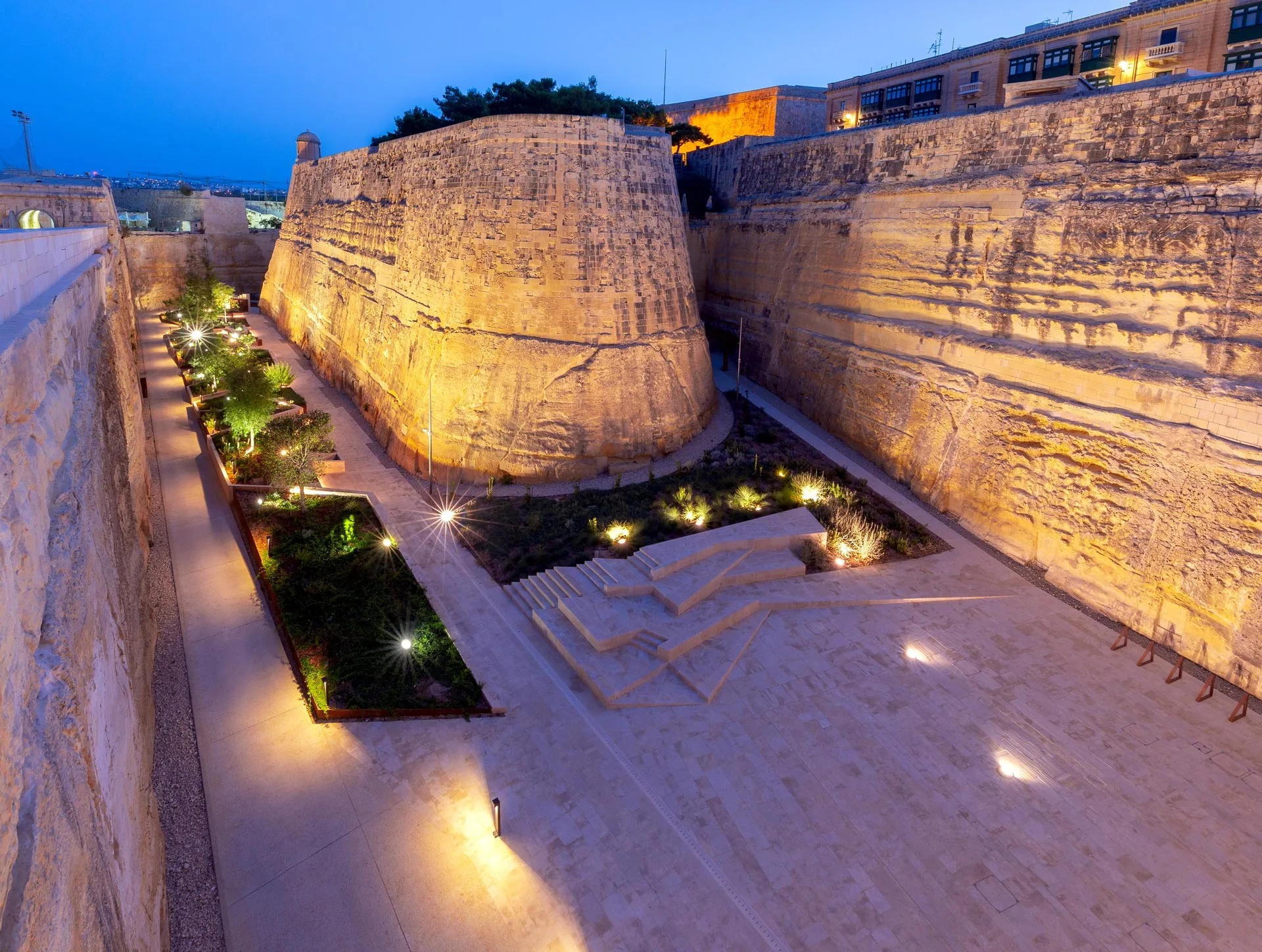
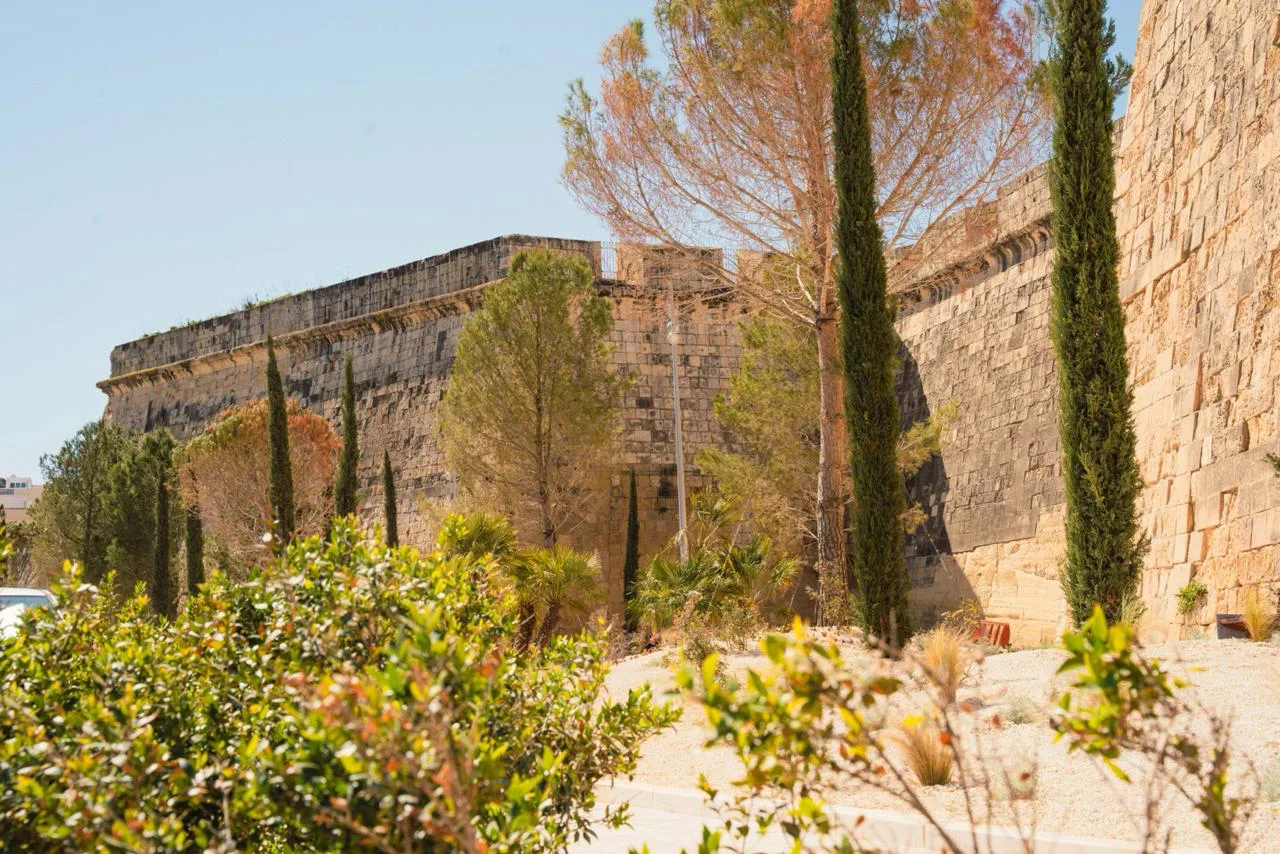
The area formed part of the Knights’ era fortifications. Notably during the Great Siege of 1565, it was here that the Ottomans breached Birgu’s fortifications, the closest they came to overwhelming the defenders. Under British rule the outer hornworks were altered to make way for a new seaside oil and lubricants depot. The depot was demolished in 2010 as part of the bastion wall restoration, leaving the site abandoned and subject to misuse for several years.
The proposal
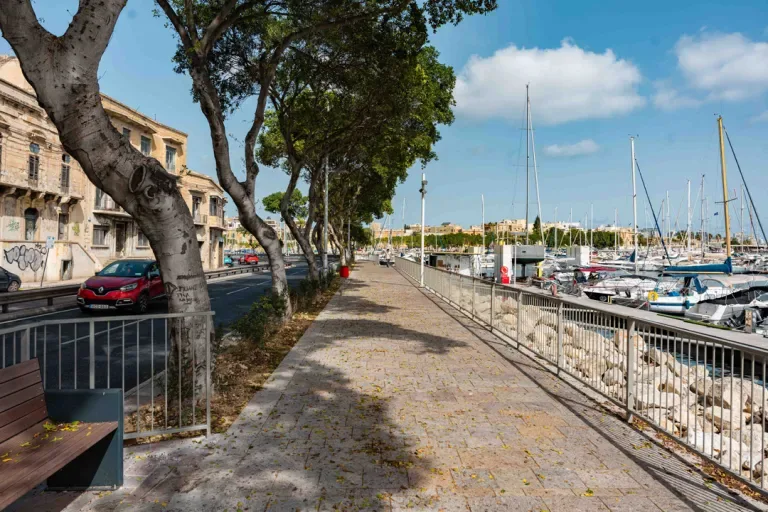
GHRC designed and built this garden after having already completed the Kalkara regeneration project and the Xewkija boating area project. The proposal was developed after studying the needs of Birgu and the site location as part of a promenade spanning from Isla Point to Esplora, and in consultation with the Birgu Local Council to ensure that the space reflects the needs of residents and the wider community.
It was clear that the site called for a 1,500m² gravel garden able to support medium-sized events and outdoor classes and meetups. Visitors walk through a winding path between lush Mediterranean flora and rest at picnic tables and benches, with seating grouped under the shade of pine trees. In our climate, shade is a vital resource for the success of a public open space.
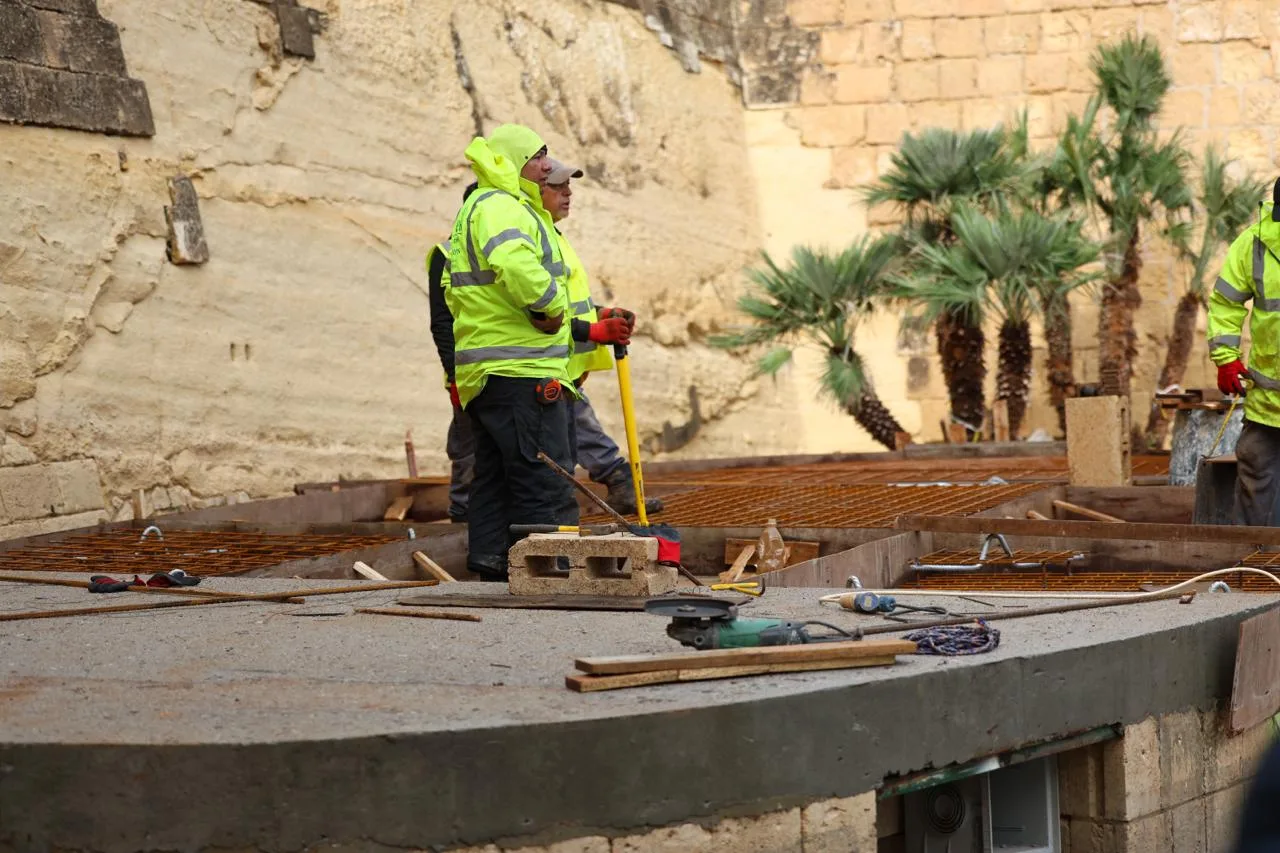
A 400m² oval arena at the centre of the garden gives individuals the opportunity to organise events and classes. The garden is intended not only as a place for relaxation and recreation, but also as a social and cultural hub.
Sustainability was a key consideration. Taking into account water usage and increasingly hot summers, the garden consists of 50cm of soil covered with 8cm of gravel. The gravel lowers maintenance costs, supports local flora and stops the soil from heating up and losing water moisture. During GHRC’s Xewkija project a natural water stream was discovered, and pipework has already been laid to pump the fresh water to reservoirs within the garden.
This project forms part of a wider vision to regenerate neglected coastal spaces around Cottonera and create a continuous, high-quality waterfront experience for the public.
Project updates